Saati HiTex mesh is a high-quality screen printing mesh perfect for stretching your own screens, using Newman roller frames, or any other purpose. This mesh is designed with high modulus, low elongation monofilament polyester screen printing fabric and is the ideal mesh to use for printing on t-shirts, textiles and ceramic.
NOTE: This mesh has no surface treatment and requires proper degreasing and mesh preparation.
FEATURES
Made from high modulus, low elongation monofilament polyester.
Ideal for printing on t-shirts, textiles and ceramic.
No surface treatment.
Thread Micron: 48
Mesh Opening Micron: 55
MESH COUNTS EXPLAINED
24 and 38 mesh is used mainly for glitter inks that need a very open mesh for printing.
60 mesh is often used for printing smaller glitter and most shimmer inks.
86 mesh is also used for printing shimmer inks and for laying down thick layers of ink for high-density printing. It also works well for printing foil adhesive.
110 mesh makes printing white and other thick inks easy. It is ideal for spot color printing since it holds less detail than 156 mesh and lays down a thick layer of ink for maximum coverage.
125 mesh is one of the most commonly mesh sizes in screen printing. It works great for printing white ink and other colored inks that have a thicker viscosity.
156 mesh is great for general purpose textile printing with basic to semi-fine detail. It will hold a little finer detail than a 110 mesh while also working well with thinner inks.
200 mesh is great for printing more detailed prints that need a thinner layer of ink than a 156 mesh. It works very well with thinner inks and is a good middle-range mesh size.
230 mesh is great for high-end fine detail printing. A 230 mesh can hold halftones very well and also lets a little more ink through then a 305 mesh. The yellow color prevents light from reflecting through the threads of the mesh and keeps a sharper image when burning.
280 mesh screens are great for high-end fine detail printing. A 280 mesh can hold halftones very well and also lets a little more ink through then a 305 mesh.
305 mesh holds extremely high detail, letting through only a thin layer of ink. This allows for a very soft hand on the garment and is great for use in printing halftones and process prints. The yellow color prevents light from reflecting through the threads of the mesh and keeps a sharper image when burning.
WHITE OR YELLOW MESH
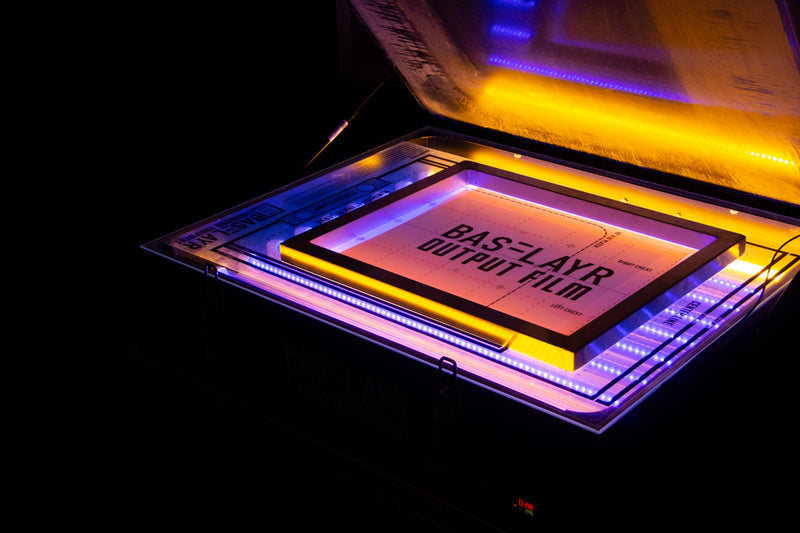
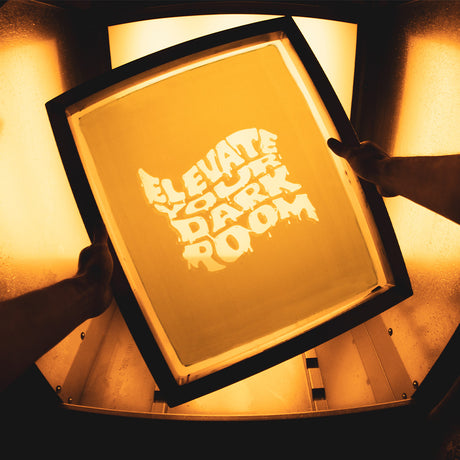
White mesh is the more economical of the two, and is primarily seen in lower mesh counts used for less-detailed designs. Higher count mesh is usually dyed yellow because the color yellow acts as a canceling factor for UV light and prevents refraction along the mesh strands when burning your screens. This allows for a more focused and precise exposure, keeping your screens as crisp as possible.
FREE GROUND SHIPPING (SUPPLIES ONLY)
FREE SHIPPING
All supplies in orders over $300 ship for free. Orders below $300 ship for $19.50. Orders placed before 3pm local time typically ship the same day.
If you're looking for the best screen printing products of 2025, you're in the right place. Whether you're a pro running an auto or a growing shop scaling up your...
Running a screen print shop isn’t just about ink and shirts. It’s about vision, partnership, community, and grit. In this week’s Shirt Show, Dylan catches up with Dom and Ryan...
Every screen printer has been there. The print looks perfect until you spot a cured ink stain sitting where it should not be. Whether it is plastisol ink, DTF, or...
Whether you’re looking to streamline your film transparency output or expand into digital decoration like DTF and DTG, Epson has a printer designed to help you work smarter and print...
In Episode 288 of Shirt Show, Dylan sits down with John Hourihan, host of the Glorified Carpenter podcast and longtime builder, to talk about the parallels between construction and printing,...
The screen room is one of the most critical parts of your print shop. Get it wrong, and you’re chasing issues at every stage. Get it right, and you’re on...
We’re giving away a Mini Press, and yes, it actually prints. This scaled-down, fully functional screen press is a miniature version of the original Pigskins & Pigtails Starter Press. Whether...
If you've ever wondered how professional printers get soft, vibrant, high-resolution results on garments, it starts before the screen ever hits the press. It starts with color separations. Check out this...
Saati HiTex mesh is a high-quality screen printing mesh perfect for stretching your own screens, using Newman roller frames, or any other purpose. This mesh is designed with high modulus, low elongation monofilament polyester screen printing fabric and is the ideal mesh to use for printing on t-shirts, textiles and ceramic.
NOTE: This mesh has no surface treatment and requires proper degreasing and mesh preparation.
FEATURES
Made from high modulus, low elongation monofilament polyester.
Ideal for printing on t-shirts, textiles and ceramic.
No surface treatment.
Thread Micron: 48
Mesh Opening Micron: 55
MESH COUNTS EXPLAINED
24 and 38 mesh is used mainly for glitter inks that need a very open mesh for printing.
60 mesh is often used for printing smaller glitter and most shimmer inks.
86 mesh is also used for printing shimmer inks and for laying down thick layers of ink for high-density printing. It also works well for printing foil adhesive.
110 mesh makes printing white and other thick inks easy. It is ideal for spot color printing since it holds less detail than 156 mesh and lays down a thick layer of ink for maximum coverage.
125 mesh is one of the most commonly mesh sizes in screen printing. It works great for printing white ink and other colored inks that have a thicker viscosity.
156 mesh is great for general purpose textile printing with basic to semi-fine detail. It will hold a little finer detail than a 110 mesh while also working well with thinner inks.
200 mesh is great for printing more detailed prints that need a thinner layer of ink than a 156 mesh. It works very well with thinner inks and is a good middle-range mesh size.
230 mesh is great for high-end fine detail printing. A 230 mesh can hold halftones very well and also lets a little more ink through then a 305 mesh. The yellow color prevents light from reflecting through the threads of the mesh and keeps a sharper image when burning.
280 mesh screens are great for high-end fine detail printing. A 280 mesh can hold halftones very well and also lets a little more ink through then a 305 mesh.
305 mesh holds extremely high detail, letting through only a thin layer of ink. This allows for a very soft hand on the garment and is great for use in printing halftones and process prints. The yellow color prevents light from reflecting through the threads of the mesh and keeps a sharper image when burning.
WHITE OR YELLOW MESH
White mesh is the more economical of the two, and is primarily seen in lower mesh counts used for less-detailed designs. Higher count mesh is usually dyed yellow because the color yellow acts as a canceling factor for UV light and prevents refraction along the mesh strands when burning your screens. This allows for a more focused and precise exposure, keeping your screens as crisp as possible.